Hot water plays a role in nearly every part of your day. Showers, laundry, dishes, and handwashing all depend on a reliable supply. Yet many homeowners rarely think about their water heater temperature settings until something feels off. Water that runs too cool can be frustrating and even unsafe. Water that runs too hot can drive up energy costs and increase the risk of burns.
Finding the right balance is easier than you might think, and Alabama Power Smart Financing is here to explain. With a few simple adjustments and an understanding of safe water heater temperature guidelines, you can improve comfort, reduce energy waste, and protect your household.
The Recommended Water Heater Temperature for Most Homes
For the majority of households, the recommended water heater temperature is 120 degrees Fahrenheit.
This setting offers a strong balance between safety, comfort, and energy savings. Many manufacturers actually preset water heaters to 140 degrees, which is hotter than most homes need. Lowering that default setting can reduce utility costs while still providing plenty of hot water.
If you have ever asked, “What temperature should I set my water heater?” 120 degrees is a reliable starting point.
Why 120 Degrees Works Well
- Reduces the risk of scalding
- Uses less energy compared to higher settings
- Provides sufficient hot water for daily tasks
- Slows mineral buildup inside the tank
Water at 140 degrees can cause a burn in just a few seconds. At 120 degrees, the risk drops significantly, which makes this a safer choice for homes with children or older adults.
When a Higher Temperature May Be Needed
Although 120 degrees is considered a safe water heater temperature for most households, certain situations may call for a slightly higher setting.
Households With High Hot Water Demand
Large families often use hot water in quick succession. Showers, dishwashers, and washing machines running back-to-back can drain the tank quickly. Raising the temperature to 130 degrees may help extend available hot water. Mixing valves can blend hot and cold water at fixtures while keeping the tank temperature higher.
Dishwashers Without Built-In Heaters
Some older dishwashers rely on the home’s hot water supply to sanitize dishes. These appliances may require water closer to 140 degrees. Check the manufacturer’s specifications before making changes.
Health Concerns and Bacteria Prevention
Legionella bacteria can grow in warm, stagnant water, particularly below 120 degrees. While this is rare in residential systems, homes with individuals who have compromised immune systems sometimes maintain higher tank temperatures as a precaution. A plumbing professional can advise on the best approach, especially if adding an anti-scald device.
When to Consider Lowering the Temperature
Certain households benefit from energy-efficient water heater settings closer to 115 or 120 degrees.
Lowering the temperature slightly can:
- Cut standby heat loss
- Reduce monthly power consumption
- Decrease stress on heating elements
- Extend the lifespan of the unit
Homes with low hot water demand may never notice the difference. Testing the tap temperature with a thermometer gives you a clear idea of what is actually coming out of your fixtures.
How to Adjust Water Heater Temperature Safely
Before making changes, review your owner’s manual. Gas and electric water heaters adjust differently.
For Electric Water Heaters
- Turn off power at the breaker.
- Remove the access panel.
- Adjust the thermostat using a flathead screwdriver.
- Replace the panel and restore power.
Most electric units have two thermostats, one for the upper element and one for the lower element. Both should be set to the same temperature.
For Gas Water Heaters
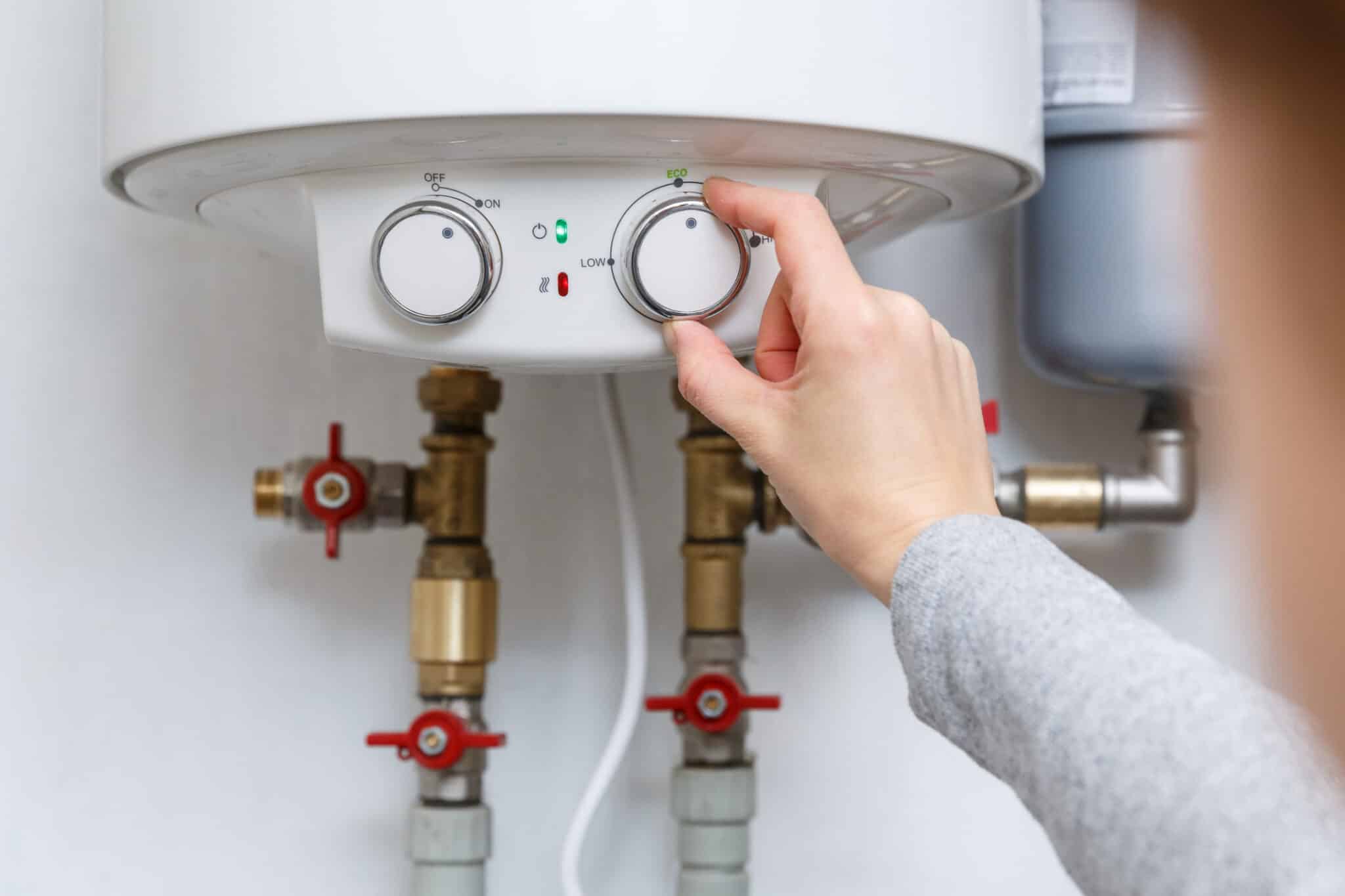
Gas models usually have a dial near the bottom of the tank. The dial may show temperature markings or simply low, medium, and high settings. If the dial is labeled vaguely, consult the manual to interpret the approximate degree setting.
After you adjust the water heater temperature, wait several hours and test the water again at the tap. Small adjustments can make a noticeable difference.
Testing Your Current Hot Water Temperature
You do not need special tools to check your water heater temperature settings.
Run hot water at a faucet for at least two minutes. Place a kitchen thermometer under the stream and record the reading. This tells you the actual delivered temperature, which may vary slightly from the tank setting due to pipe length and heat loss.
If the reading exceeds 125 degrees, lowering the thermostat may improve safety and reduce energy use.
Finding the Best Water Heater Settings for Home Efficiency
Heating water accounts for a significant portion of household energy use. Fine-tuning your water heater can make a real difference in your monthly bill.
Here are practical hot water heater temperature tips to improve efficiency:
- Insulate older hot water tanks with a water heater blanket.
- Insulate exposed hot water pipes.
- Drain a few gallons from the tank annually to remove sediment.
- Fix dripping faucets promptly.
- Consider upgrading to a high-efficiency model if your unit is over 10 years old.
Sediment buildup forces the unit to work harder. Regular maintenance helps maintain steady performance and consistent temperatures.
Safety Considerations Every Homeowner Should Know
A strong water heater safety guide covers more than thermostat settings. Temperature plays a major role in preventing injuries.
Children and older adults have thinner skin, which increases the risk of burns. Installing anti-scald devices at faucets and showerheads adds another layer of protection. These devices regulate water temperature automatically.
Always test bath water before use. Even if your thermostat is set properly, temperature spikes can occur when multiple fixtures run at once.
Carbon monoxide safety is also critical for gas water heaters. Keep the area well ventilated and install carbon monoxide detectors nearby.
Seasonal Adjustments and Changing Needs
Water temperature preferences may shift throughout the year. Incoming water is colder in winter, which means the heater must work harder to raise it to your set temperature. Some homeowners increase the setting slightly during colder months and lower it again in warmer seasons.
Lifestyle changes also influence your best water heater settings for home use. A growing family, home renovations, or new appliances may require reevaluating your settings.
Periodic review keeps your system aligned with your household’s needs.
The Role of Financing in Water Heater Upgrades
Older water heaters lose efficiency over time. Rising energy bills, inconsistent temperatures, and frequent repairs often signal it may be time for a replacement.
Modern systems offer improved insulation, smarter controls, and better energy performance. Tankless models heat water on demand, reducing standby energy loss. High-efficiency tank models recover faster and operate more economically.
Upgrading can feel like a large investment, but financing options through programs like Alabama Power Smart Financing can help homeowners move forward with improvements that reduce long-term energy costs.
A new unit paired with the right energy-efficient water heater settings can provide reliable hot water while lowering overall consumption.
Making the Right Choice for Your Home
If you are still wondering, “What temperature should I set my water heater to?” begin with 120 degrees and adjust gradually based on your household’s needs.
The goal is simple:
- Protect your family from burns
- Support healthy water conditions
- Keep energy use under control
- Maintain consistent comfort
Small changes can have a meaningful impact. Reviewing your water heater temperature settings once or twice a year keeps your system operating at its best.
Reliable hot water supports daily routines in ways most people overlook. A thoughtful approach to temperature settings protects your home, your budget, and your peace of mind.
Upgrade Your Water Heater with Alabama Power Smart Financing
Improving your home’s hot water system does not have to wait. If your current unit struggles to maintain the recommended water heater temperature or drives up your energy bills, a replacement may be the right next step. Alabama Power Smart Financing makes the process simple and accessible.
You can complete the application online in minutes, compare available rate options, and sign documents electronically. After approval, your selected service provider handles the installation while you move forward knowing your investment is manageable and structured around your budget.
Alabama Power has served communities across the state since 1906, offering flexible financing solutions, competitive rates, and responsive customer support. Smart Financing is available to qualifying homeowners, even if they are not current Alabama Power customers. Upgrading to a modern, energy-efficient water heater becomes a practical step toward improved comfort and lower energy use.